Tubes, Tips and Trimmers - opinions by Jason Buchanan - N1SU
Recommendations for buying your first Drake radio
Based on my experiences, there are a couple paths to take with the decision
to buy a Drake 2 or 4 line rig. Aside from age, the availability of good
tubes is the key factor in having a good experience with these old rigs.
The main players are:
2-C - the 12BZ6 will make or break the radio. It's worth having a spare
in your box of spares. They get soft as time
goes by. I've roughly estimated their lifetime to be about 5 years with
about 20 hours of use per week. 12BA6 and 12BE6 condition is important too
but not to the extent that the 12BZ6 is.
R-4 - as with the 2-C, the 12BZ6 V1 is the most important tube in the
radio. The 6KZ8 V8 is a close second, followed by 12BE6 V3 and then V4, V5, V12
12BA6. The 6HS6 doesn't have much impact compared to its role in the R-4B.
It's good to have a spare 12BZ6 and 6KZ8 if you plan on using the radio for
another 10 years or so. The noise blanker doesn't work all that well - if
you don't need it you can pull V9 and V10. Reduces heat, noise and seems to
help with purifying the audio.
R-4A - I don't have that much experience with the R-4A other than the
same pattern applies as the R-4: V1, V8, V4, V5, V12 in order of importance.
I'm not real keen on the R-4A because it requires the difficult-to-find 6HS6. It is far easier to find good 6KZ8
tubes than good 6HS6, hence I haven't pursued owning an R-4A. Get an R-4B
instead.
R-4B - the R-4B is a thing of beauty. It is an outstanding receiver
with gobs of quality audio and sensitivity. Unfortunately the Achilles Heel
in the R-4B is the 6HS6 at V8. If that tube is weak the whole radio is
weak. The V1 6BZ6 is important but those tubes are easier to find in good
condition and usually last a long time. V3 12BE6 is important as well so if
you plan on putting stakes in the ground on your R-4B, get a few good 6HS6
and 12BE6. In a pinch you can steal the 6HS6 out of your T-4XB as they seem
to last much longer in the transmitter than the receiver. The 6HS6
condition in the transmitter is far less noticeable - I put my weak ones in
the transmitter.
R-4C - Okay, here's where the opinions start kicking into
overdrive. Drake really farted in the jug on the R-4C. The solid state audio has
a cheap, tinny transistorized sound to it with a constant hum that sounds
cheap. There are modifications out there to remedy this, mostly from
Sherwood Engineering, that make it sound
like it should. Lots of other R-4C modifications are a Good Idea to prolong
its life as the design of the power supply was sort of hokey and the 6EJ7
mixers are known to be a little noisy. The low serial numbered R-4Cs are
like a nice R-4B minus the audio output. The higher serial numbered R-4Cs
are even better but as mentioned on the Drake Museum site, there is goodness just
dying to get out. Regardless of the serial number, a nicely modified
R-4C makes a fine radio. The serial numbers over 21,000 are better adapted
for modifications. But at that point they cease being an old tube radio and
become more of a FrankenDrake... and i'd rather buy a Ten-Tec Orion
at that point.
T-4 Reciter, T-4X, T-4XA, T-4XB and T-4XC - The T-4 series of
transmitters pretty much are bullet-proof for tube requirements. The
condition of the 6HS6 is not paramount to its performance. If it weak you
just crank the Gain a bit more CW. I put my weak 6HS6 tubes in the
transmitters. The 6JB6 tubes are still easily found and will last a VERY
long time if you reduce plate current and avoid running them over 200mA.
It's very important to neutralize them - you want to dip the plate current
and not go for maximum output if you want them to last. 60mA more for
another 30 watts isn't a fair exchange if you ask me. I run my T-4 / T-4XB
up to 200mA and drive my L-4 amplifier to produce plenty of output. 300mA
is a lot of current for a pair of 6JB6 tubes - they will do it but only for
a couple years.
The key tubes involved:
12BZ6 - easily found but typically only 2 out of 5 NOS are really
good, 1 fair and the other 2 weak. Some people rewire the socket to use the
more common 6BZ6 like the R-4B uses - 6BZ6 is reputed to be a consistently
higher quality tube but I can't confirm this.
6KZ8 - easily found but like the 12BZ6 the ratio of good to bad isn't
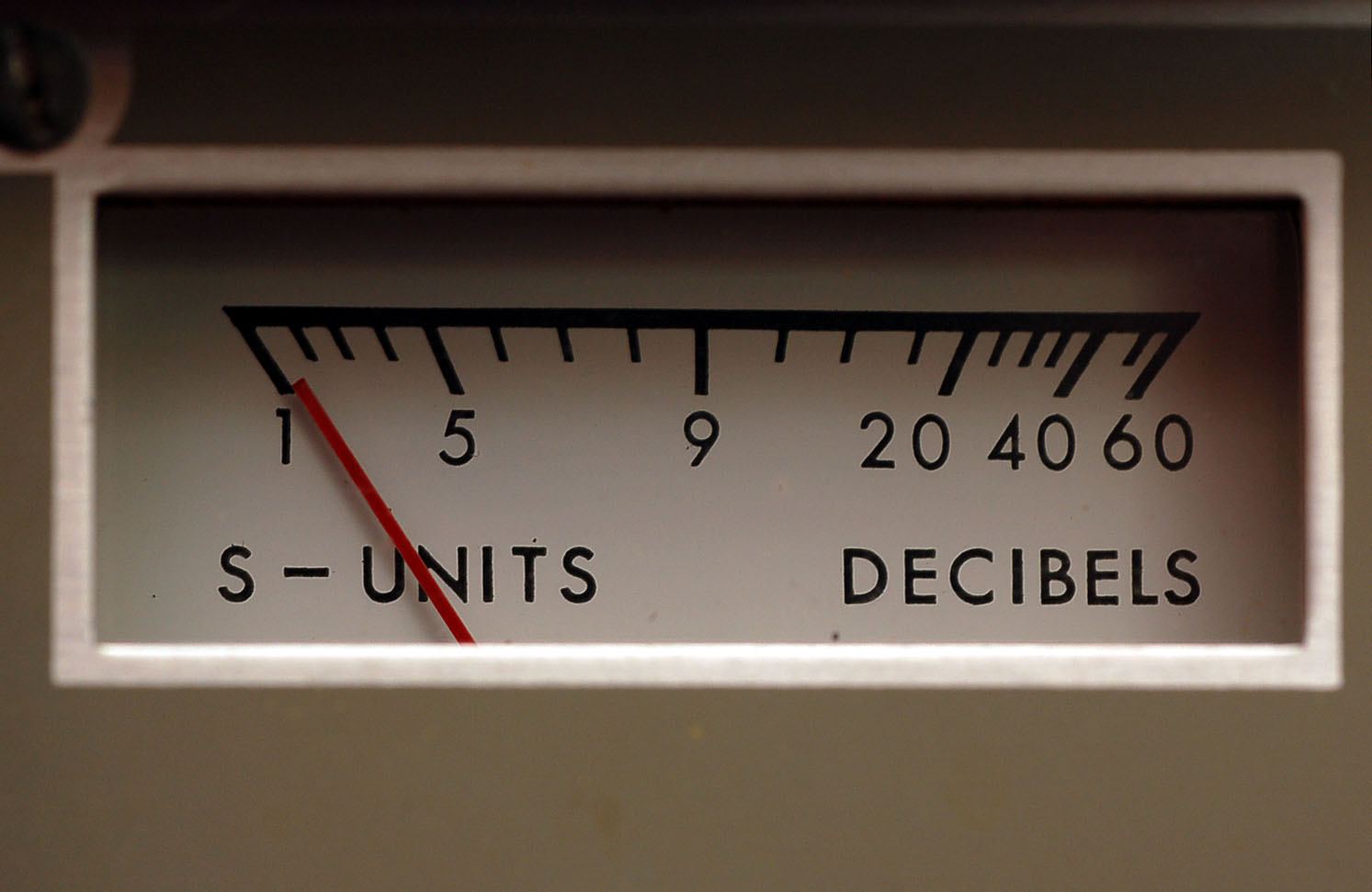
so great. Gain / transconductance can vary as much as 1 S unit on your
meter out of a sleeve of five tubes.
6HS6 - expensive, fairly easily found but quality control on newer
tubes is poor - old 6HS6 usually have much higher gain but the chances of
finding good old ones is difficult. This is one of the reasons i'm not a
big R-4A fan.
12BA6 - Very easily found but different brands have different
characteristics - best to buy 2 of each brand NOS and find one that matches
your radio for best results.
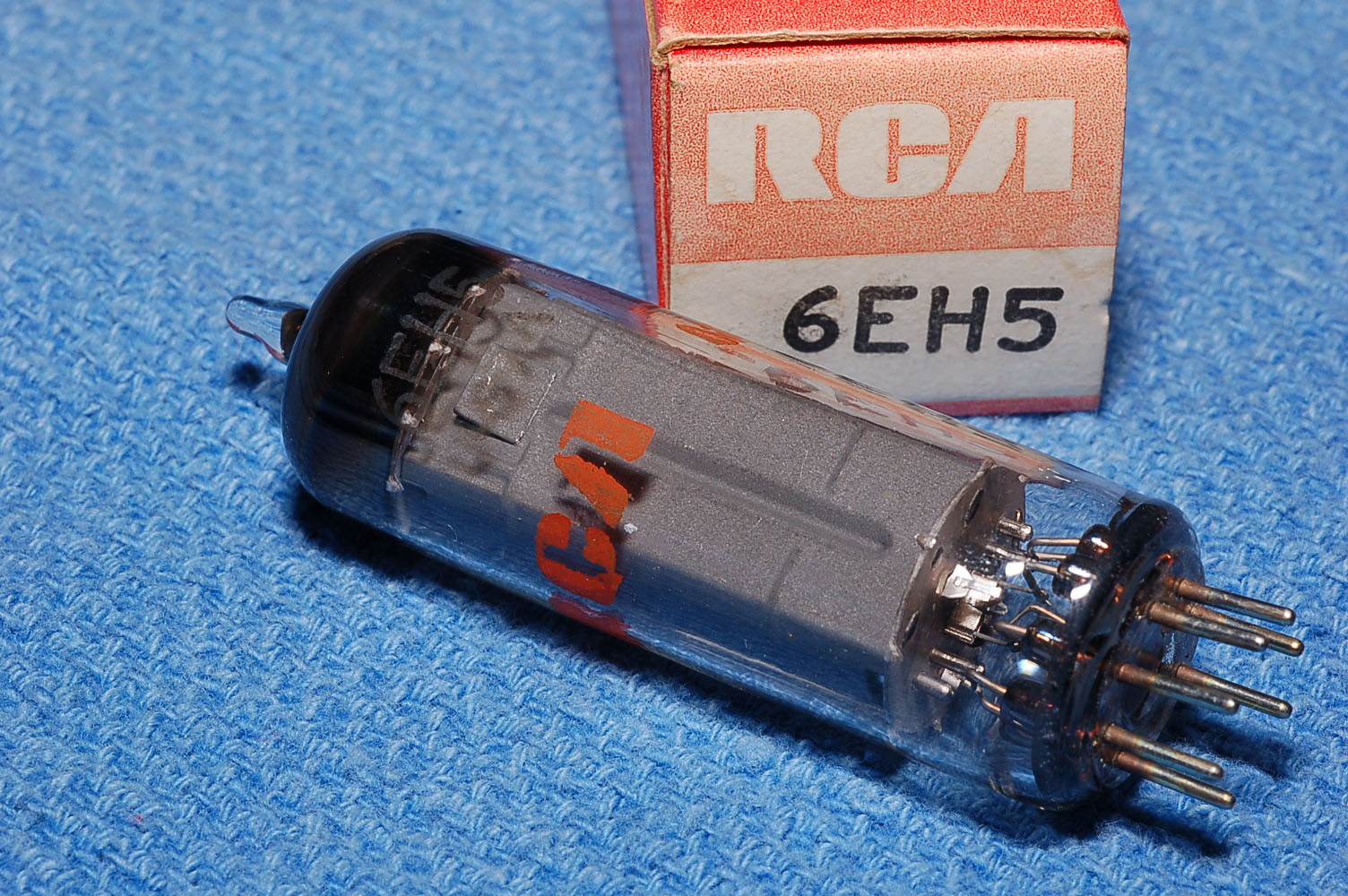
12BE6 - becoming expensive yet easily found - typically V3 in the 4
line receivers. If soft the receiver will lose sensitivity. Best to have a
few spares.
Good tubes are the key
The best receiver is only as good as the tubes inside. If the tubes are
weak, especially the 12BZ6 in the R-4 or 6HS6 in the R-4B, the radio will be
flat and you'll be quickly annoyed at how deaf it is. As you can tell by
reading above, it's a good idea to have 2 or 3 spares if you plan on using
your radio a few hours every day.
Using hand-selected tubes will give you amazing performance from these old
rigs. Even the old 2-C will hear the very faintest of signals just as well
as a $10,000 modern receiver - the only thing the older rigs don't have is
DSP but an external processor like the Timewave DSP-599zx Digital
Noise Filter can easily make up for this. The Drake 2-BQ / 2-CQ Q Multiplier had
to blow people's minds at the time - the 2BQ / 2CQ provided a notch or peak for a
signal.
 The main players are:
 print" ";
print" ";
print" ";