|
|
Drake R-4, R-4B, T-4 Reciter, T-4XBTubes, Tips and Trimmers - opinions by Jason Buchanan - N1SU |
If someone had walked up to me five years ago and told me that vacuum
tubes and old radios were the answer to any problems that a CW or SSB guy
would have, I would have thought they were nuts. After all, we're living
in a society that has downplayed every technology that came before it,
sometimes justified and sometimes not. Vacuum tubes are probably the
biggest targets of the campaign against "yesterday's technology" but it's
difficult to find many reasons that they are horribly deficient in
comparison to their silicon counterparts.
Cost associated with manufacturing and size of devices that use tubes (forbids miniaturization) are likely to be the key reasons that led to their decline in use.
Measurebation is probably the next most likely reason anything not silicon-based fell to the wayside as the differences between #1 and #10 became nearly insignificant.
If radios built today did not have S meters they all would be just as good as any other.
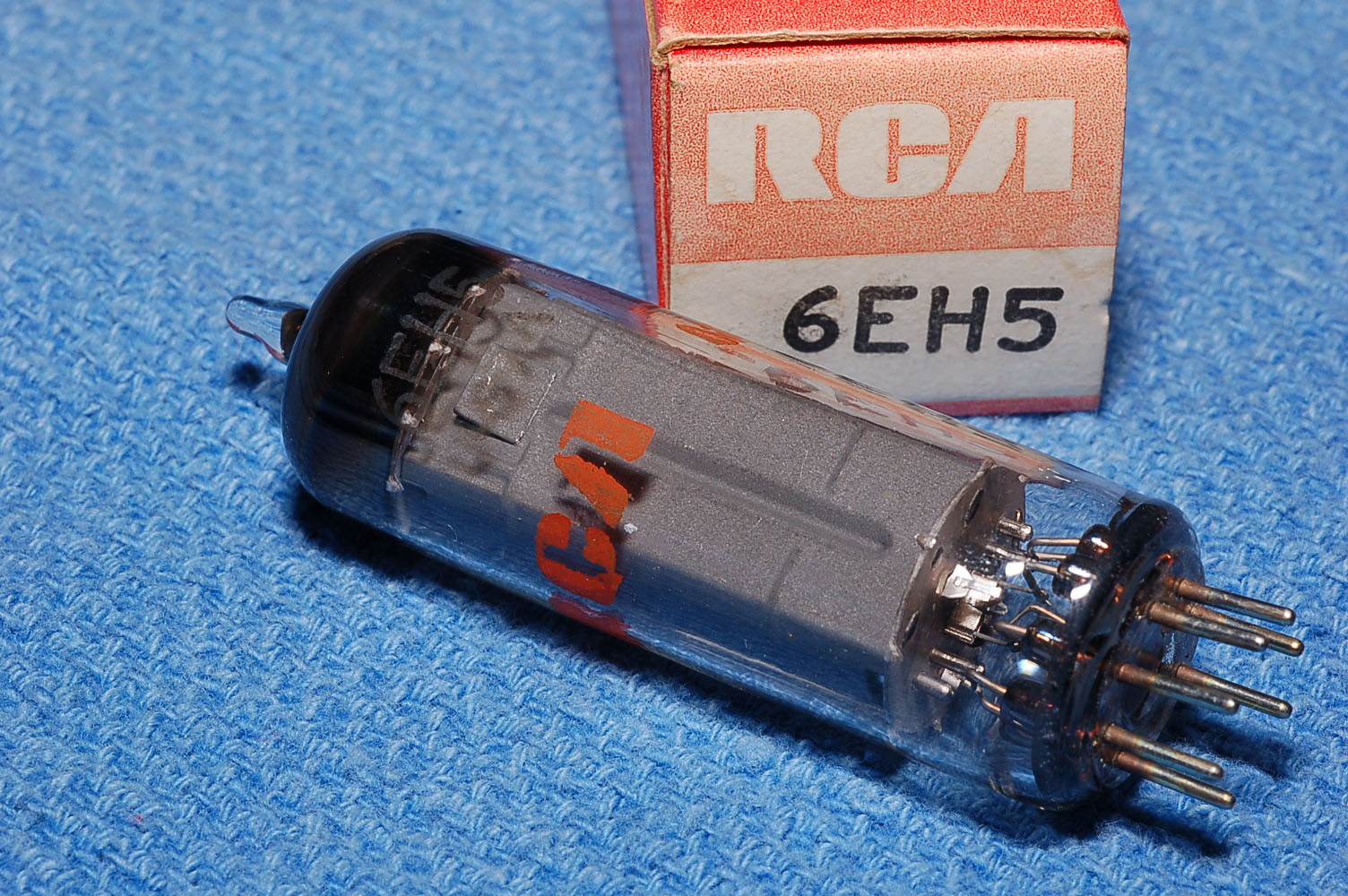 Not much other than some of the finest-sounding audio and radio gear was
produced using vacuum tubes that still competes with the most expensive
solid state products. A Drake R-4C receiver built in 1974, fitted with a
few modifications by Robert Sherwood will outperform a $12,000 receiver
built in 2005. The $12,000 receiver has more knobs to twist and enough
lights to make Star Trek fans blush - but to someone who closes their eyes
and listens to the received signal the tube receiver (especially those
with 6EH5 tube-based audio stages) will be the winner.
Not much other than some of the finest-sounding audio and radio gear was
produced using vacuum tubes that still competes with the most expensive
solid state products. A Drake R-4C receiver built in 1974, fitted with a
few modifications by Robert Sherwood will outperform a $12,000 receiver
built in 2005. The $12,000 receiver has more knobs to twist and enough
lights to make Star Trek fans blush - but to someone who closes their eyes
and listens to the received signal the tube receiver (especially those
with 6EH5 tube-based audio stages) will be the winner.But it gets better than that. In 1964 the Drake R-4 receiver was introduced to the amateur market with the choice of the T-4 Reciter (no VFO) or the T-4X Transmitter (with VFO), followed by the R-4A Receiver in 1967. These radios were manufactured nearly 40 years ago and yet they will deliver exceptional performance and operating enjoyment. For less than $500 you can find a nice receiver/transmitter pair shipped to your door.
With a little patience you can find a nice R-4A/T-4XA pair with a speaker and power supply for around $400-500. Everything you need to enjoy ham radio at its finest hour is inside these black boxes. They also contain something you can't buy in today's equipment: operation of the radio. Unlike today's radios that require little operator intervention (power on, select a frequency) the old R-4 gear requires a little touch-up of the tuning here and there as you use them; the shack heats up as the tubes glow warmly, imprecise crystals drift, cold grease becomes warm grease and the knobs turn more freely, the smell of Age and dust percolates through the shack and the rich tube audio lulls you into a deep state of relaxation. During the winter months the L-4 Amplifier can turn a cold 8' x 8' shack at 60 degrees into a balmy 80F oasis in about 30 minutes of good ragchewing. How can it get any better than this?
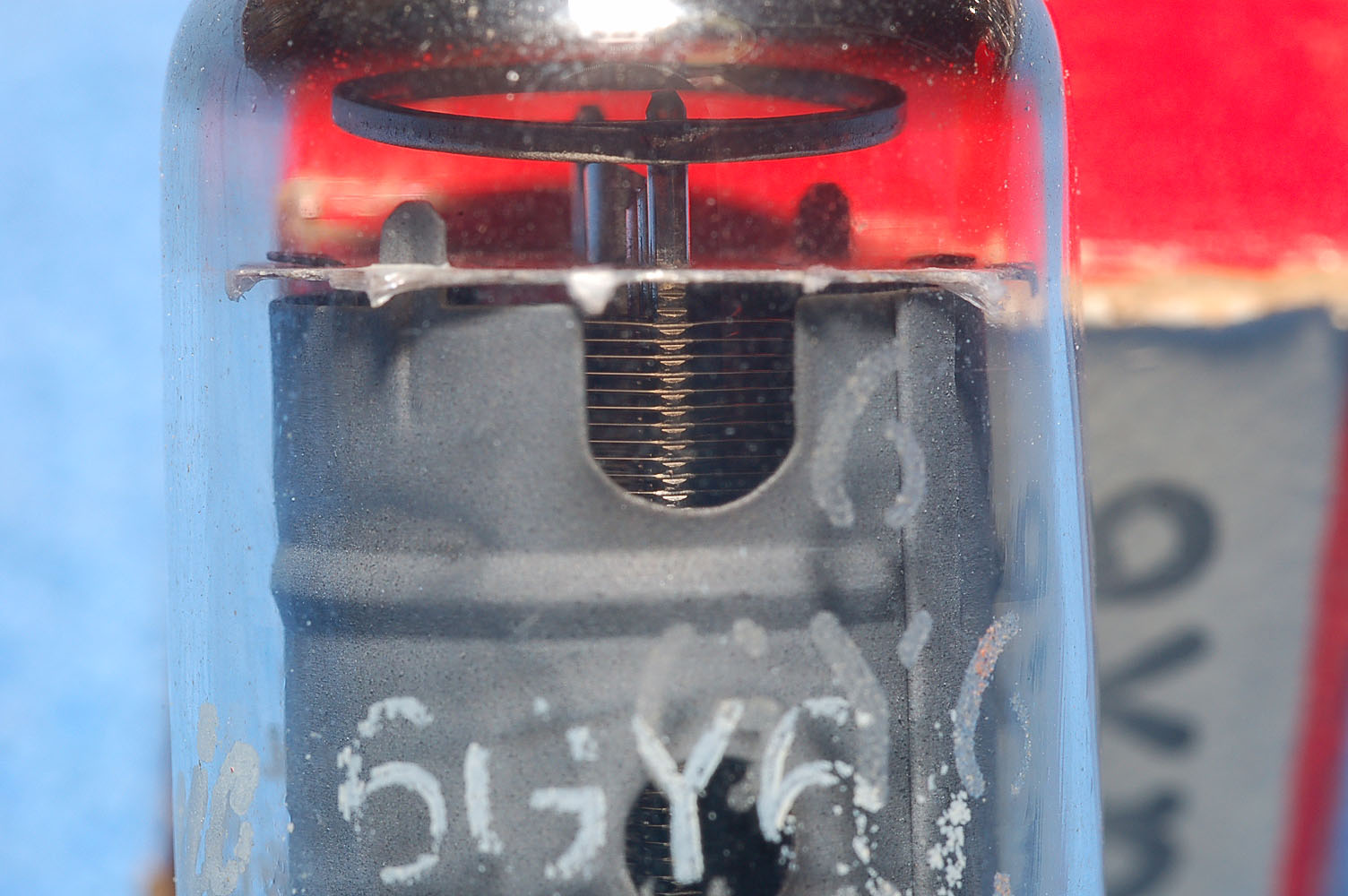 The R-4A was a giant leap forward in terms of stability and perhaps a
little sensitivity. The R-4 used a 6GX6 tube for the product detector
where the R-4A (starting at serial number 4054) used a solid state design
that was improved over the succeeding years. Many revisions were made to
the R-4/R-4A with the tube-based product detector and the later R-4A up to
#4053 could be considered the best of this group. Around #4054 another
batch of significant changes were made (solid state PTO, color coded
crystals matched to drift in the same direction).
The R-4A was a giant leap forward in terms of stability and perhaps a
little sensitivity. The R-4 used a 6GX6 tube for the product detector
where the R-4A (starting at serial number 4054) used a solid state design
that was improved over the succeeding years. Many revisions were made to
the R-4/R-4A with the tube-based product detector and the later R-4A up to
#4053 could be considered the best of this group. Around #4054 another
batch of significant changes were made (solid state PTO, color coded
crystals matched to drift in the same direction).
The R-4B (serial 8000) was another jump forward but mostly as a refinement of an already-mature R-4A with a few convenience features added in such as a lit neon lamp above the active VFO, 25 kHz calibrator and a FET PTO. At serial number 10501 a newer version of the R-4B was produced but with only very minor changes over the serial number 8000 units.
I am fortunate enough to be friends with Steve KL7JT who loaned his mint R-4C to me for evaluating the purchase of an R-4C. The R-4C was the beginning of Drake's transition to fully solid state gear. The R-4C went through four main revisions during its lifetime with the intent to enhance its performance. The key R-4C benefits to me are its age (years less use so the knobs are tighter) and the dial display is a little easier to work with instead of relying on the dial skirt in previous models. If you spend another $800 you can get it modified by Robert Sherwood and make it the best receiver money can buy. If I had a spare $1500 I'd probably pursue an R-4C and get it modified - that's going to be a while.
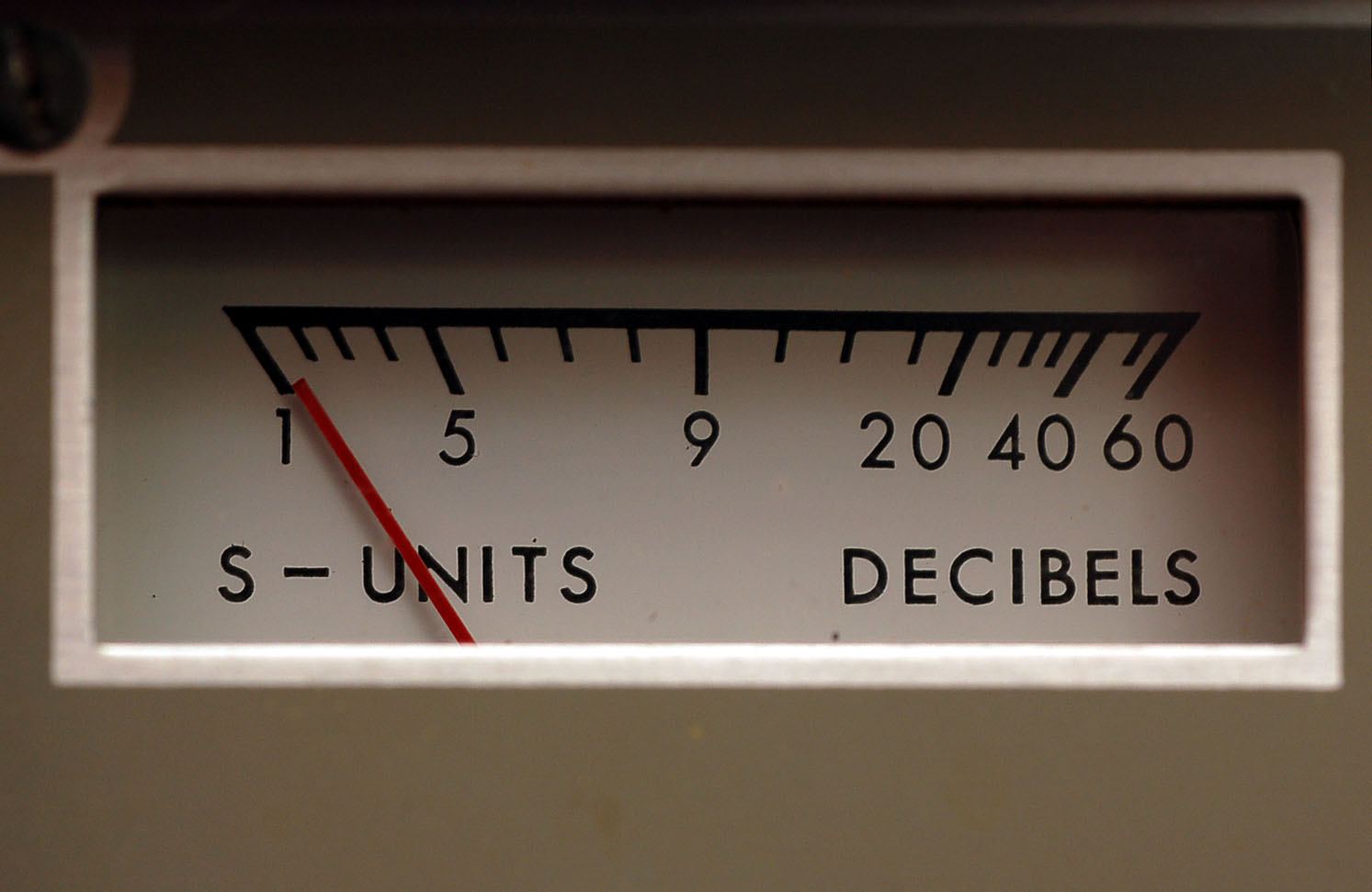
My B line needed TLC for sure - as with anything this old it tends to age itself out of alignment. The forward-thinking design of the Drake gear lends itself to do-it-yourself tweaking and alignment using the radio itself to align with. Using a plastic screwdriver and patience I was able to re-peak the trimmers in my R-4B and recover about S units of sensitivity! Anything I could hear with my other gear I can hear equally well with the old R-4B. I replaced a few tubes and got about 3/4 of an S unit. No scope, no meter, just a screwdriver, the radio and its S meter. I'm the second owner and the previous owner never touched the insides so a simple trimmer tweaking was all it took. More complicated stuff would be best sent to John Kriner aka "The Man!!" for any Drake repair.
My R-4 and T-4 Reciter haven't arrived yet - when they do I'll update that section of the page.
Operationally I sought the R-4 and T-4 Reciter because I wanted to go back in time as far as practically possible. I want to enjoy ham radio the way guys did back in the 60s - all the good things and all the bad things; I want all of the challenges. The Drake 1-A, 2-A, 2-B and 2-C receivers do not provide injection frequencies to a transmitter. The Drake 2-NT transmitter is crystal controlled and was targeted mainly at the Novice licensee operator running 75W PEP input. I'd like to have one myself (mostly as a novelty item) with a 2-C receiver but I don't have that much spare hobby money for that level of hobby'ness.
The R-4 receiver, to me, is a revolutionary design. The R-4 provides injection frequencies for the T-4 Reciter and T-4X transmitter so that the need for crystals is eliminated, and for the convenience of using the R-4's VFO for transmitting at a particular frequency. The T-4X includes its own VFO for even greater flexibility. This was Drake's first receiver to produce "injection" frequencies that can be sent via patch cable to a matching Drake T-4 Reciter or T-4X transmitter. My guess is that at the time The R-4/T-4/T-4X units were put on the market it had to be one of the greatest things since sliced bread. A marvelous modern-looking cabinet with the controls you need and nothing you didn't need, small size, built to last forever, designed so nearly anyone could align their own radio and sensitivity that still today rivals just about anything.
The T-4 Reciter is something of an odd duck given that it doesn't have a VFO, but in 1964 it was $270 instead of $380 for the T-4X with a VFO. That $110 was probably a month's pay for most people. I wanted a T-4 Reciter for its uniqueness and I rarely find the need for RIT. Plus it ties into my desire to enjoy the hobby the way other hams did at the same time that luncheon meat, aka SPAM, was served in a casserole as a main course for dinner.
Back to home page print" "; print" ";
 print" ";
print" ";
print" ";